
Learning to drive is an important step towards independence. Whether you need a car for commuting, education, family responsibilities or everyday travel, becoming a confident driver requires more than learning how to operate a vehicle. It involves understanding instructions, developing practical skills, recognising mistakes and gradually taking responsibility for decisions on the road.
Choosing the right Driving Instructor Hounslow learners can trust is an important part of this process. A good instructor does more than demonstrate driving techniques. They identify your learning needs, explain difficult situations clearly and help you understand how to improve after every lesson.
At Testbusters Driving School, learners receive professional driving instruction designed around their individual experience and requirements. With patient guidance and a structured approach, learners can work towards becoming capable, responsible and independent drivers.
1. Why the Right Driving Instructor Makes a Difference
Every learner approaches driving differently. Some people understand vehicle controls quickly but need more time to develop confidence in traffic. Others may be comfortable following instructions but require additional practice with manoeuvres or road positioning.
An effective instructor recognises these differences rather than expecting everyone to progress at the same speed.
A suitable instructor should help you:
- Understand driving concepts through clear explanations.
- Practise skills at a manageable pace.
- Identify areas that need improvement.
- Develop confidence through regular feedback.
- Recognise and correct unsafe habits.
- Become increasingly independent behind the wheel.
Professional instruction should create an environment where learners feel comfortable asking questions and discussing difficulties without worrying about making mistakes.
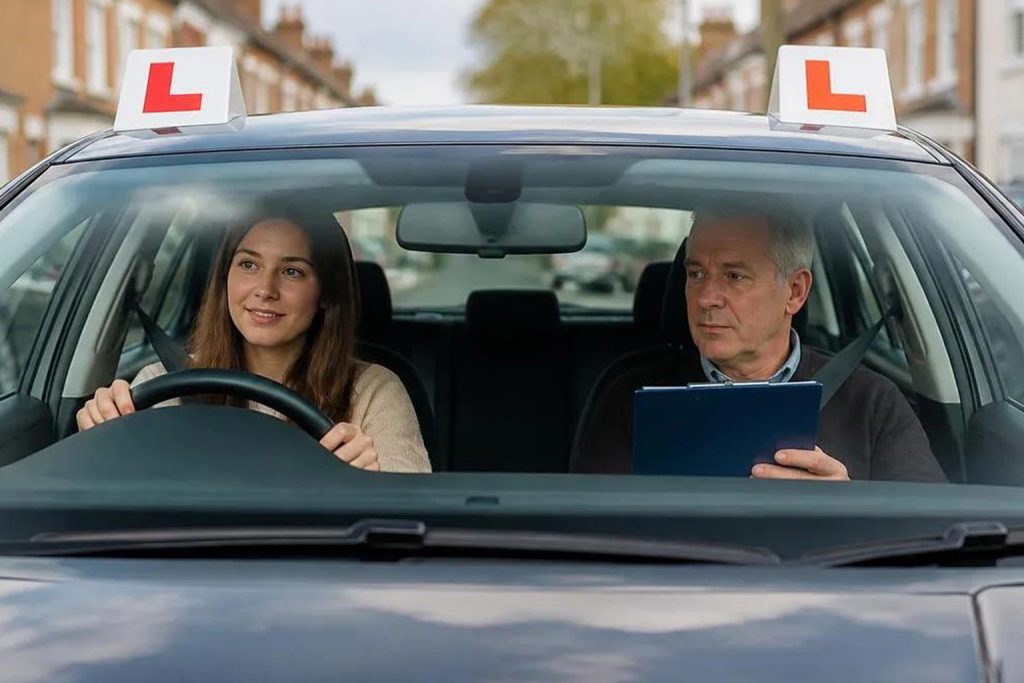
2. Understanding Your Learning Style Before Starting
A productive driving course begins with understanding the learner. Before focusing on complicated road situations, an instructor needs to know your previous experience, confidence level and learning preferences.
For example, a complete beginner may need guidance with basic vehicle controls, mirror checks and moving away safely. Someone who has already taken lessons may benefit more from practising specific skills that need improvement.
Your instructor can consider factors such as:
- Whether you have driven before.
- Your preference for manual or automatic vehicles.
- How comfortable you feel in traffic.
- Your understanding of road signs and traffic rules.
- Your availability for regular lessons.
- Any particular situations that make you nervous.
This information helps create a more relevant learning plan. Instead of spending every lesson repeating familiar activities, you can focus on developing the skills that matter most to your progress.
3. Learning Through Clear Instructions and Demonstrations
Driving involves several activities happening together. You must control the vehicle, observe other road users, understand road signs and respond to changing situations.
When instructions are unclear, learners may struggle to understand what they should do and why.
A professional instructor should explain each activity in manageable steps. For example, when teaching a new manoeuvre, the instructor can first explain the objective, demonstrate the important observations and then allow the learner to practise with appropriate guidance.
This teaching approach helps learners understand the purpose behind each action rather than simply memorising a sequence.
During your driving lessons in Hounslow, you should have opportunities to ask questions, repeat difficult activities and receive explanations that make sense to your experience level.
4. Turning Mistakes into Practical Learning Opportunities
Making mistakes is a normal part of learning to drive. What matters is understanding why something happened and how to respond differently next time.
For instance, a learner might approach a junction too quickly, position the vehicle incorrectly or forget an important observation. Simply pointing out the mistake may not be enough to prevent it from happening again.
Constructive feedback should explain:
- What happened during the situation.
- Why the action created a problem.
- What the safer approach would be.
- How to practise the correct technique.
- Whether additional practice is required.
This process helps learners recognise patterns in their driving and make steady improvements.
An instructor should also acknowledge positive progress. Recognising improvements in vehicle control, observations or decision-making can help learners remain motivated throughout their training.
5. Developing Skills Through Progressive Practice
Driving skills should be developed in a logical order. Attempting difficult situations before understanding the basics can create unnecessary pressure.
A progressive learning approach allows you to practise familiar activities before moving towards more demanding driving environments.
Your training may include:
Vehicle preparation: Understanding seat adjustment, mirrors, controls, seatbelts and essential safety checks.
Moving and stopping: Practising smooth starts, controlled stopping and appropriate use of the vehicle controls.
Road positioning: Learning to maintain a suitable position while travelling along different types of roads.
Junctions and roundabouts: Developing observation, timing, positioning and safe decision-making.
Manoeuvres: Practising reversing, parallel parking and bay parking with suitable guidance.
Independent driving: Following directions, interpreting road signs and making decisions without continuous instructor prompts.
As your ability improves, your instructor can gradually reduce assistance and encourage you to manage more situations independently.
6. Building Confidence in Hounslow’s Driving Environment
Learning in and around Hounslow provides opportunities to experience different types of road environments. Residential streets, local shopping areas, junctions and busier routes can introduce different challenges for learner drivers.
An instructor can help you understand how to approach these situations safely and appropriately.
During local driving practice, learners may work on:
- Managing traffic near busy shopping areas.
- Approaching junctions with appropriate observations.
- Understanding lane positioning and road markings.
- Sharing road space with buses, cyclists and pedestrians.
- Adjusting speed according to visibility and traffic conditions.
- Maintaining awareness when parked vehicles restrict the available road space.
The purpose of local practice is not simply to memorise particular routes. It is to develop the ability to apply driving knowledge in unfamiliar situations.
A capable learner should eventually be able to recognise road conditions, assess risks and choose an appropriate response without relying entirely on an instructor’s directions.
7. Choosing Between Manual and Automatic Driving Lessons
Your choice of vehicle can influence the way you learn. Testbusters offers both manual and automatic driving tuition, allowing learners to consider the option that suits their preferences.
Manual driving lessons
Manual vehicles require learners to coordinate the clutch, accelerator and gear changes. This involves additional vehicle-control skills, particularly when moving away, changing gears and managing slopes.
Automatic driving lessons
Automatic vehicles remove the need for manual clutch operation and gear changes. This allows learners to concentrate more closely on steering, observations, positioning and traffic management.
Before choosing, consider your future driving requirements and the type of vehicle you intend to use.
In Great Britain, passing a practical driving test in an automatic car normally gives you an automatic-only licence entitlement. You generally need to pass a practical test in a manual car to obtain manual entitlement.
Discuss your preferences with your instructor before beginning your course.
8. Why Communication Matters During Driving Lessons
Good communication is an essential part of effective driving instruction. Learners should understand what is expected of them and feel comfortable discussing their progress.
A supportive instructor should be able to explain unfamiliar concepts, provide useful feedback and adjust the teaching approach when necessary.
Language can also influence how comfortably someone learns. Testbusters offers driving lessons in English, Punjabi, Hindi and Urdu. Female instructors are also available on request.
These options can help learners discuss their requirements and understand driving instructions more comfortably.
When choosing an instructor, consider whether their communication style makes you feel supported and whether you can understand the explanations provided during lessons.
9. Flexible Training That Fits Your Schedule
Consistency is important when developing driving skills. However, learners have different work commitments, educational schedules and personal responsibilities.
Having suitable lesson arrangements can make it easier to maintain regular practice.
Testbusters offers flexible weekly, semi-intensive and intensive driving course options. The appropriate arrangement depends on your availability, previous experience and learning objectives.
Before selecting a course, consider:
- How many hours you can dedicate to lessons.
- Whether you prefer regular weekly practice.
- How much previous driving experience you have.
- Which skills need additional attention.
- Whether you have a practical test planned.
Your instructor can help you consider a suitable training approach based on your current ability and requirements.
10. Preparing for Independent Driving and Your Practical Test
The purpose of professional driving instruction is not simply to help you follow directions during lessons. You need to develop the ability to drive safely when you are on your own.
As you progress, your instructor can introduce situations where you must make decisions independently, respond to road signs and manage changing traffic conditions.
Your preparation may include:
- Understanding the format of the practical driving test.
- Practising independent driving.
- Improving observations and mirror routines.
- Developing consistent vehicle control.
- Completing required manoeuvres safely.
- Identifying and correcting recurring mistakes.
You should also understand the importance of the theory test, road signs, hazard perception and the Highway Code.
Regular practice and constructive feedback can help you identify areas requiring attention before your practical test.
11. Why Consider Testbusters Driving School in Hounslow?
Testbusters Driving School has been established since 1976 and provides professional driving tuition across West London.
The school highlights several features designed to support learners at different stages of their driving journey:
- DVSA-approved driving instructors.
- Friendly and patient teaching.
- Manual and automatic driving lessons.
- Flexible weekly, semi-intensive and intensive courses.
- Support for nervous learners.
- Lessons in English, Punjabi, Hindi and Urdu.
- Female instructors available upon request.
- Clean, insured vehicles equipped with dual controls.
The aim is to provide guidance that reflects each learner’s requirements and helps them develop safe, practical driving skills.
Whether you are beginning your first lesson or returning to driving after a break, discussing your goals with an instructor can help you identify an appropriate starting point.
Conclusion
Choosing a suitable driving instructor is an important investment in your long-term driving ability. The right guidance can help you understand vehicle controls, improve your confidence, recognise mistakes and develop the independence needed to handle everyday road situations.
For learners looking for a Driving Instructor Hounslow residents can contact for professional tuition, Testbusters Driving School offers personalised instruction, flexible course options and support for different learning requirements.
Remember that becoming a capable driver takes patience, consistent practice and a willingness to improve. Focus on understanding each lesson, applying feedback and developing safe habits that will remain valuable long after passing your practical test.
Call to Action
Ready to Start Driving Lessons in Hounslow?
Take the next step towards becoming a confident and responsible driver with Testbusters Driving School.
Discuss your driving experience, preferred lesson type and availability with the team.
Contact Testbusters Driving School
- Phone: 07813 00 00 02
- Email: info@testbusters.co.uk
- Website: https://testbusters.co.uk/
Start learning with professional guidance and work towards greater independence on the road.
Frequently Asked Questions
1. How do I choose a driving instructor in Hounslow?
Look for a DVSA-approved instructor who communicates clearly, understands your learning requirements and provides structured, supportive lessons. It is also useful to consider vehicle options, availability and teaching experience.
2. Are driving instructors in Hounslow available for beginners?
Yes. Testbusters provides beginner driving lessons designed to help new learners understand vehicle controls, road rules and essential driving skills through professional guidance.
3. Can I choose between manual and automatic driving lessons?
Yes. Testbusters offers both manual and automatic driving tuition. Your choice should depend on your preferences, future driving requirements and the type of licence entitlement you want.
4. Are female driving instructors available in Hounslow?
Testbusters offers female instructors upon request. You can discuss your preference with the team when making an enquiry.
5. How can I book driving lessons with Testbusters?
You can contact Testbusters on 07813 00 00 02 or email info@testbusters.co.uk to discuss your learning requirements, preferred lesson type and availability.